
We’ve Seen This Before
A quiet essay on recycled stories, emotional shortcuts, and creative fatigue.

A few years ago, the film industry changed. Original ideas started losing ground to a business model increasingly reliant on nostalgia and social satisfaction. What used to be driven by bold storytelling has shifted toward brand familiarity and emotional shortcuts.
Films like Snow White, Jurassic World, The Little Mermaid, Indiana Jones, and of course, Star Wars, have filled theaters not because they offer something new, but because they remind us of what once was. This isn’t inherently wrong—after all, the goal of any business is to be profitable. But from a cultural standpoint, it starts to erode the legacy of historic franchises that were never meant to be endlessly rebooted.
Take The Little Mermaid (2023), a film with a production budget of over $250 million, which struggled to break even internationally. Snow White (2025) became controversial long before release, overshadowed by discussions that had little to do with its cinematic quality.
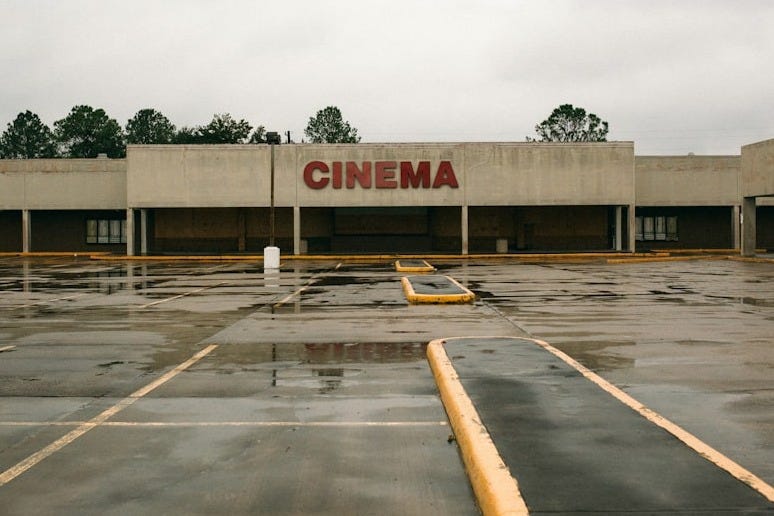
The broader picture paints a more concerning trend. In 2024, a total of 4.8 billion cinema tickets were sold worldwide, that’s 500 million fewer tickets than in 2023. Revenue is decreasing. Audiences are shrinking. And studios keep doubling down on “safe bets.”
No franchise exemplifies this cycle, i think, better than Star Wars. When Disney bought Lucasfilm in 2012, fans were thrilled. The Force Awakens (2015) went on to make over $2 billion, reigniting the saga. But the sequel trilogy quickly lost momentum—critically and financially. By 2025, the release of Revenge of the Sith back in theaters brought in $25 million, a sign that fans still crave the big-screen experience. But it also reflects a deeper truth: many would rather relive the old than embrace the new. Between streaming spinoffs, endless cameos, and vague storytelling, the saga feels hollow.
But why does nostalgia sell so well? For one, it’s a low-risk investment. A familiar title comes with built-in awareness and often a built-in audience. Second, it works. Neuroscience shows nostalgia triggers reward systems in the brain, evoking comfort and emotional depth. In a time of global instability and cultural fatigue, the familiar is comforting. Studios know this. They’re not wrong to use it—but they’ve become reliant on it.
Nostalgia can be powerful, emotional, even healing. But when it becomes the engine of an entire industry, it stops being meaningful and starts being manipulative. We aren’t celebrating our cinematic past, we’re monetizing it on repeat.
The box office is telling us something: fewer people are showing up. Not just because streaming exists, or because tickets are expensive, but because audiences can see through the formula. Reboots without vision feel empty. Sequels without purpose feel cynical. And ultimately, no amount of nostalgia can replace the magic of a great original story.
Cinema needs to take risks again. It needs to surprise us, challenge us, and offer something we haven’t seen before. We don’t need another reminder of what we used to love. We need something new to love next.
Thanks for reading.